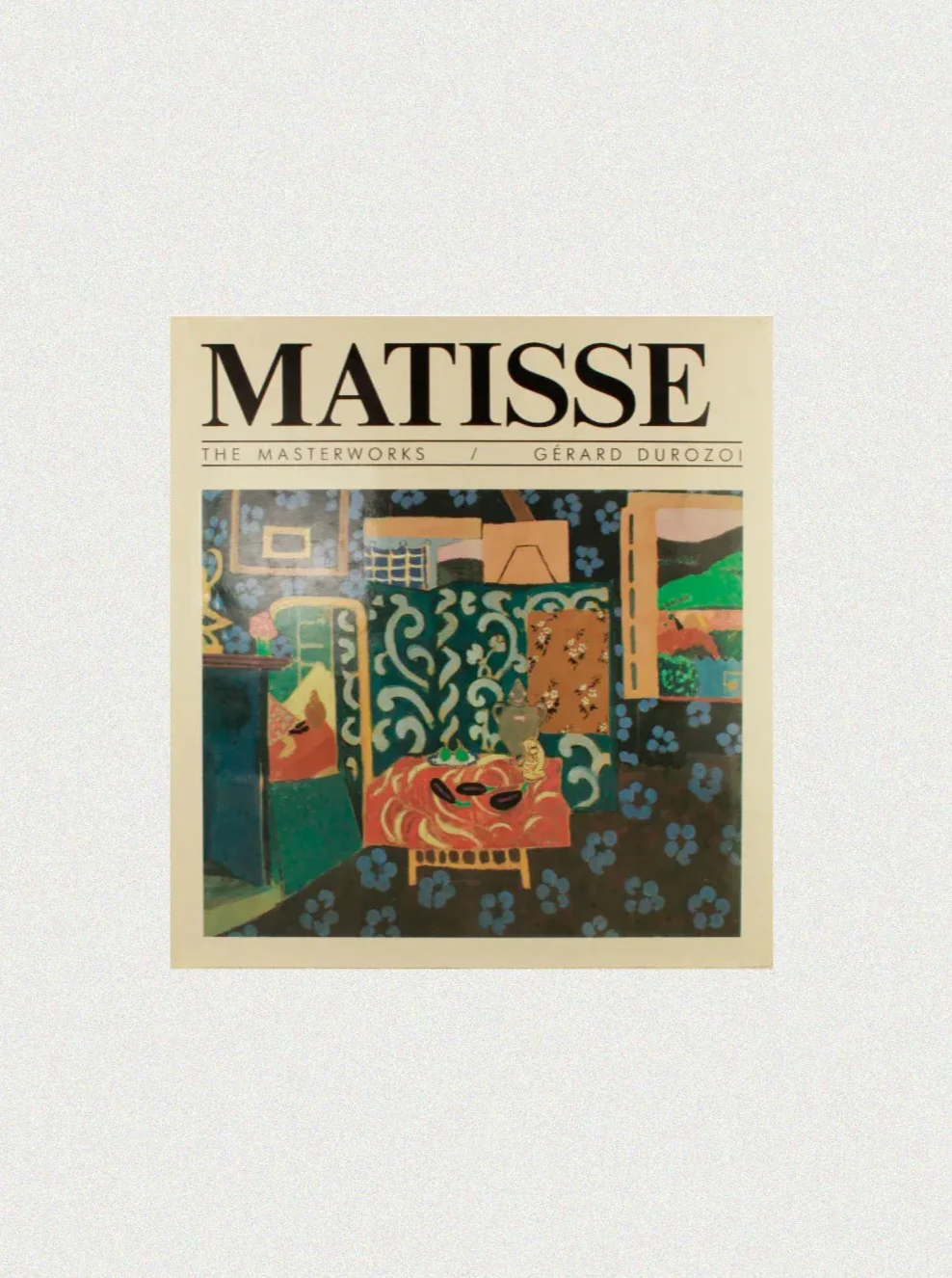
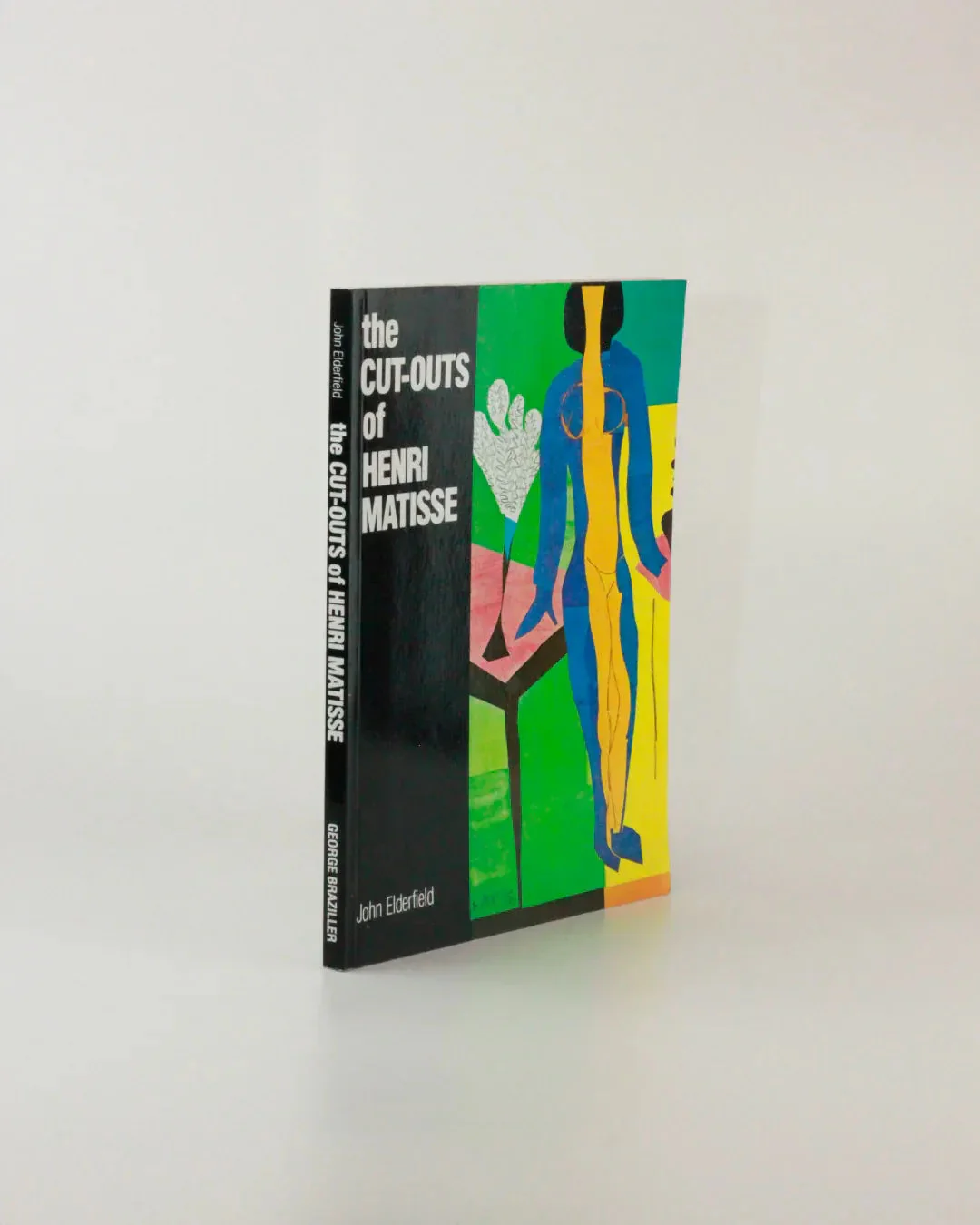
The Cut Outs of: Henri Matisse
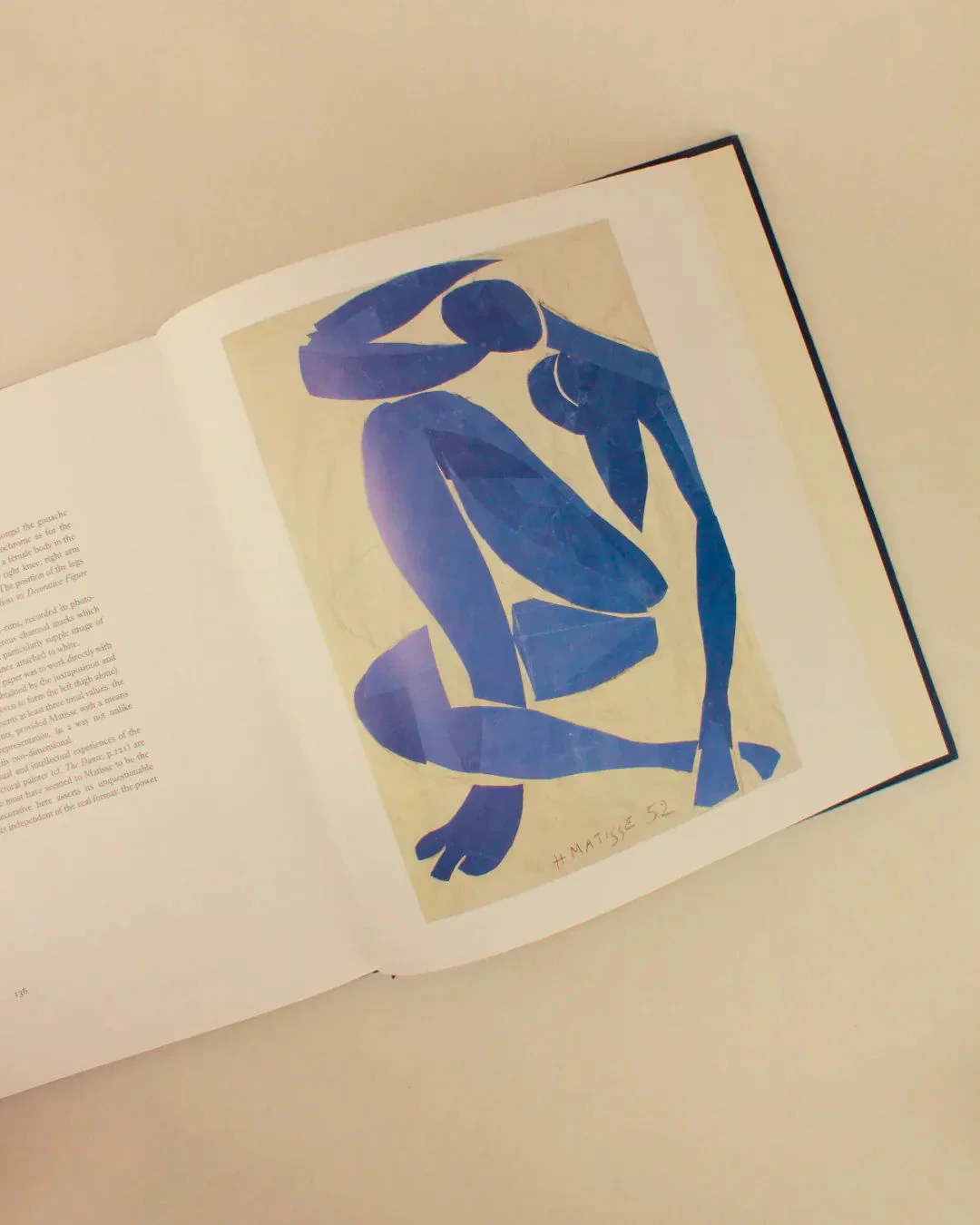
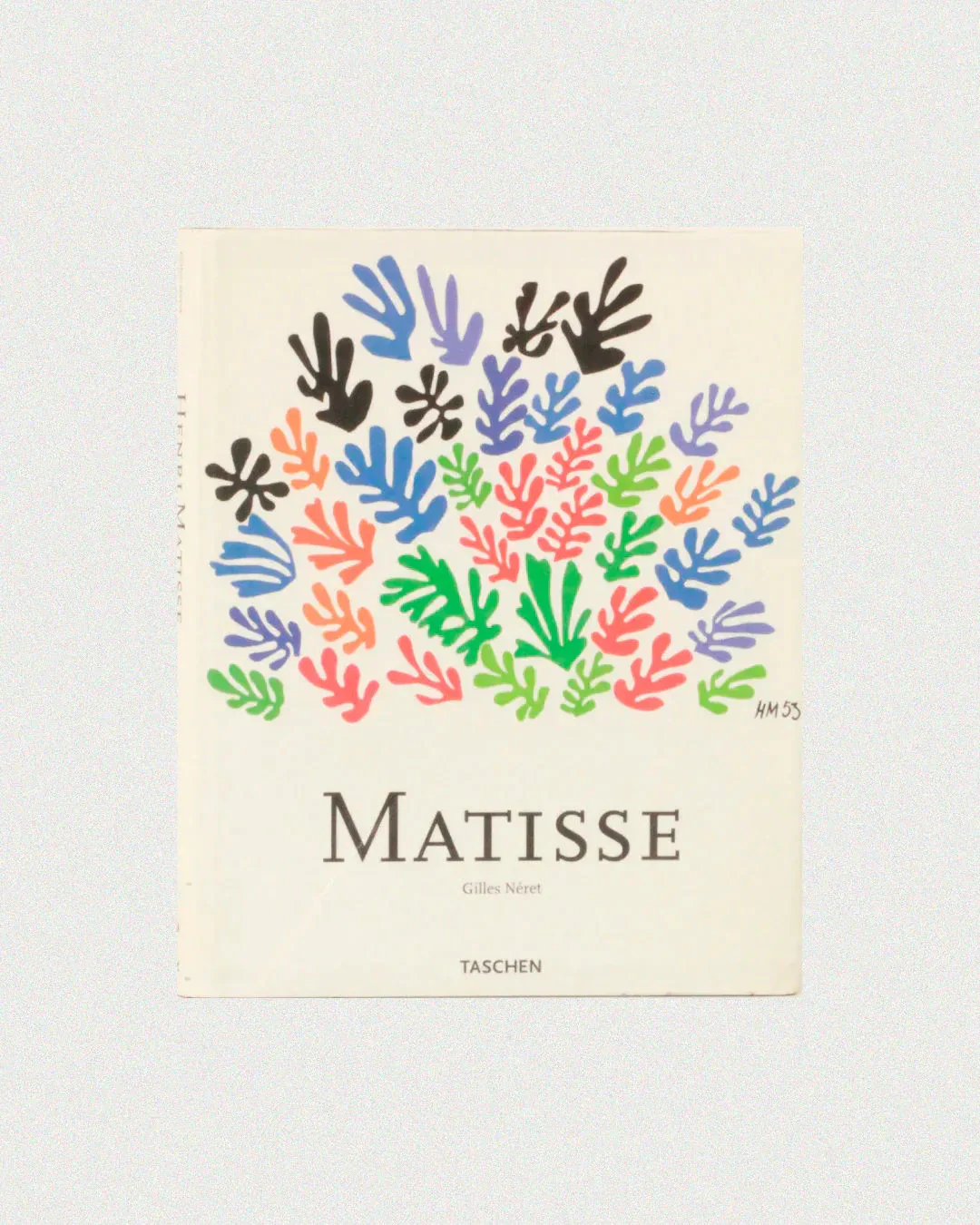
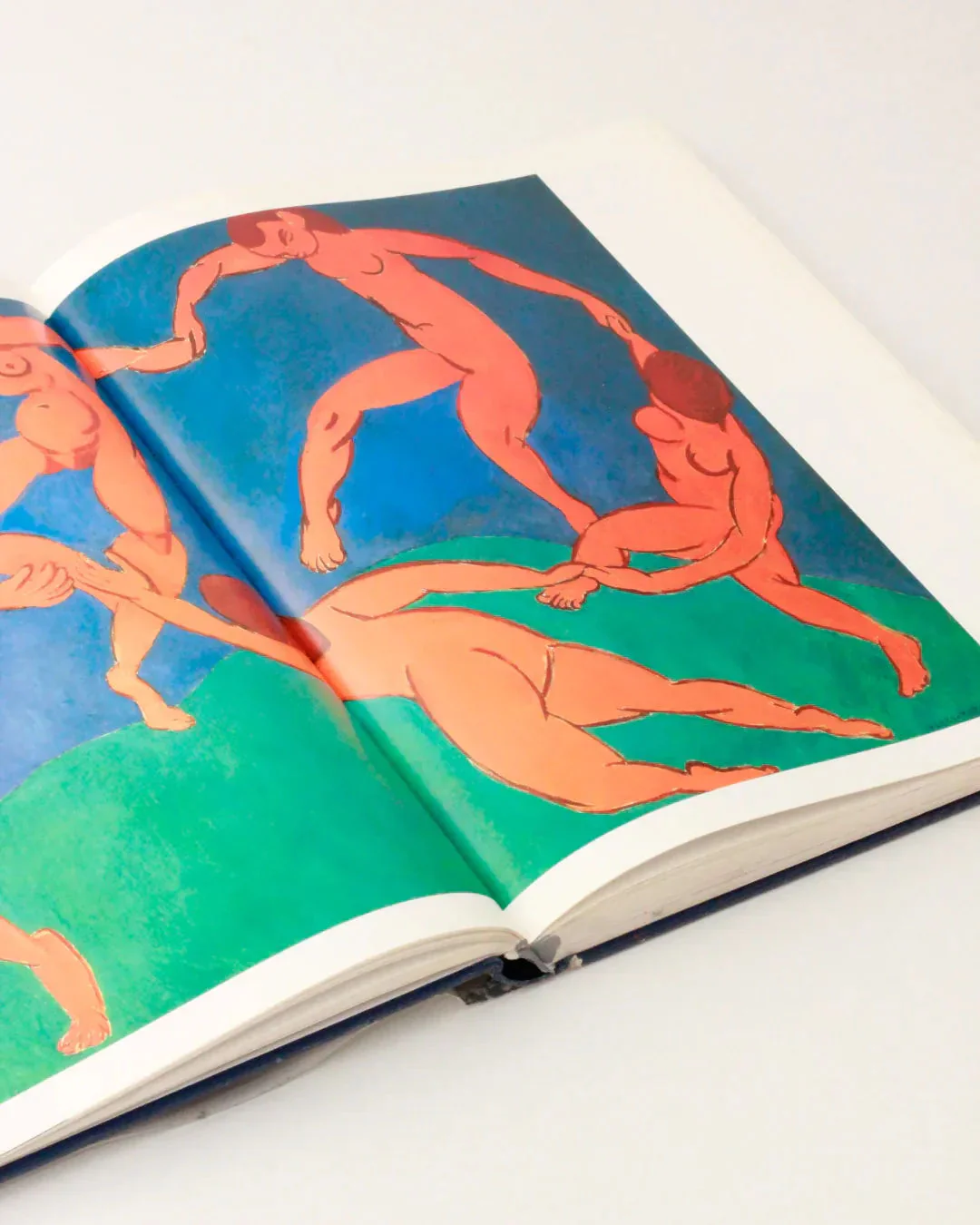
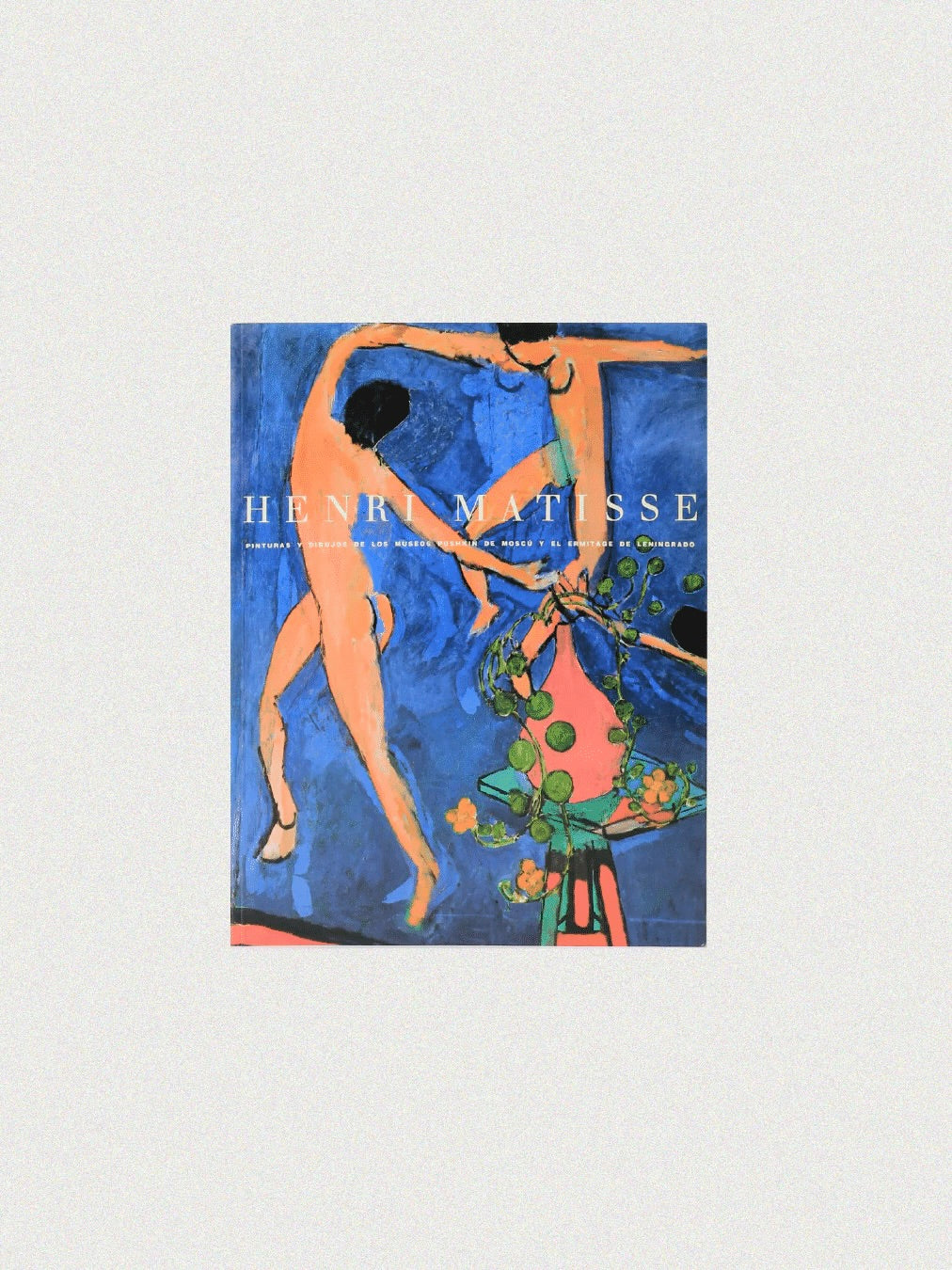
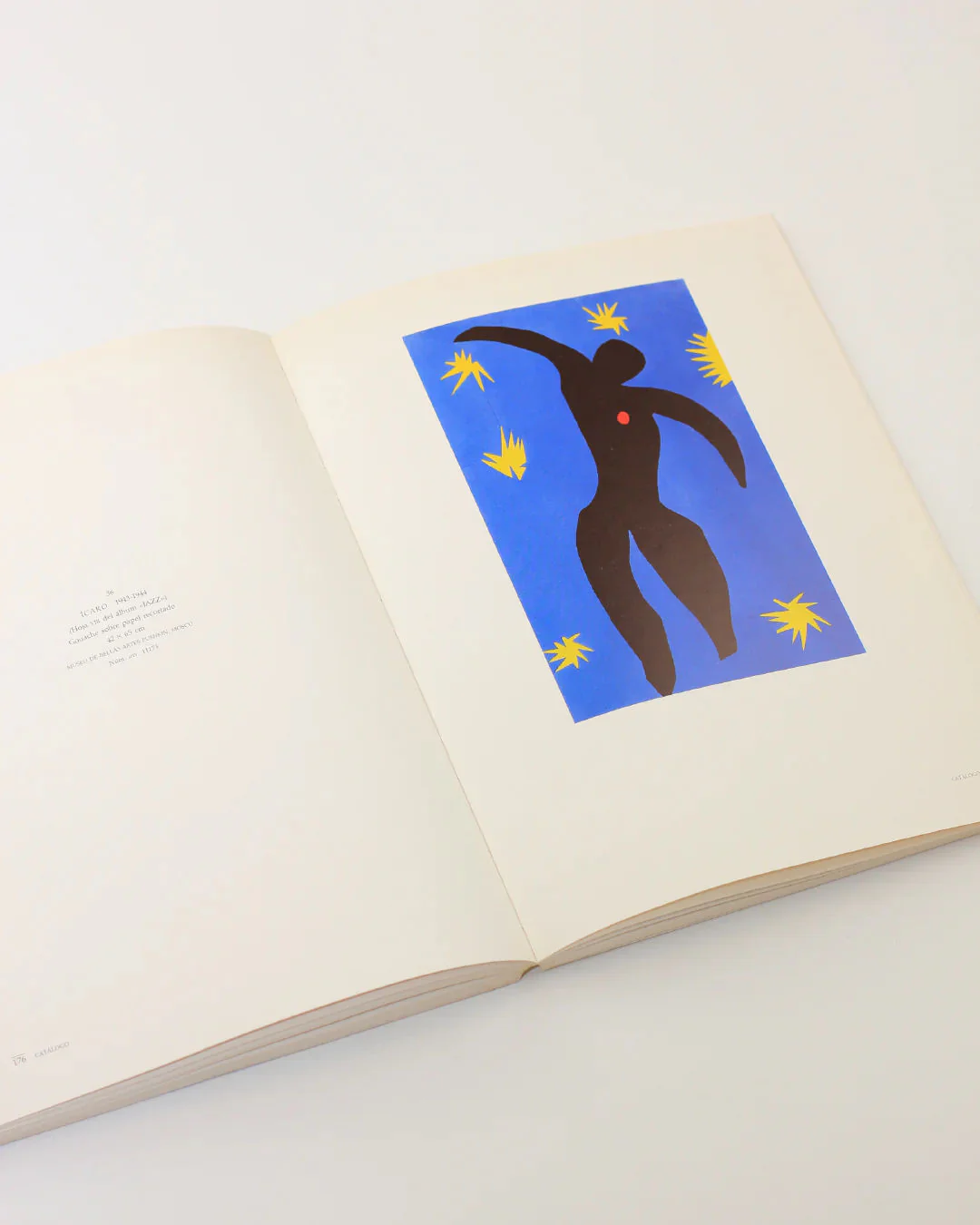
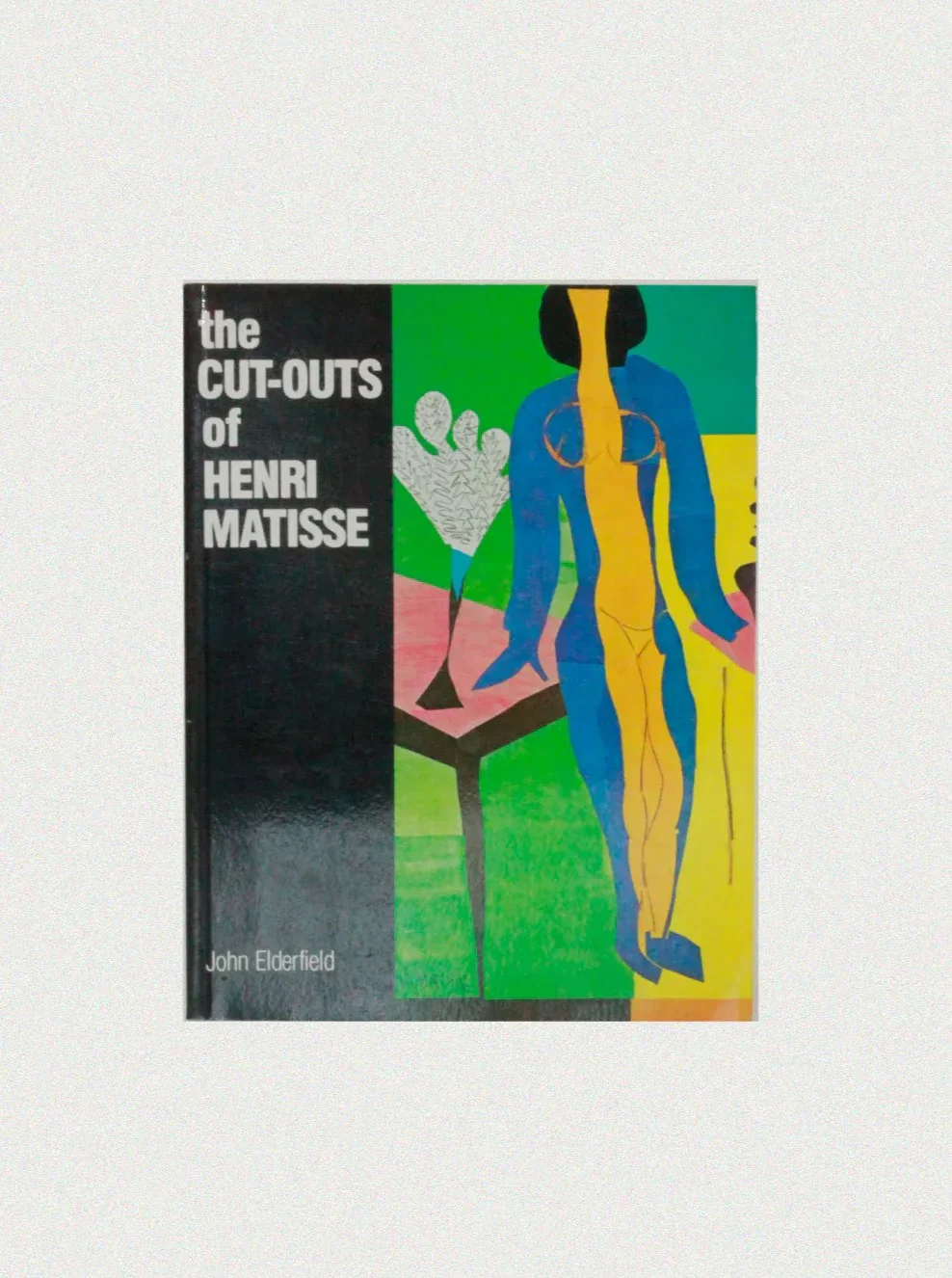
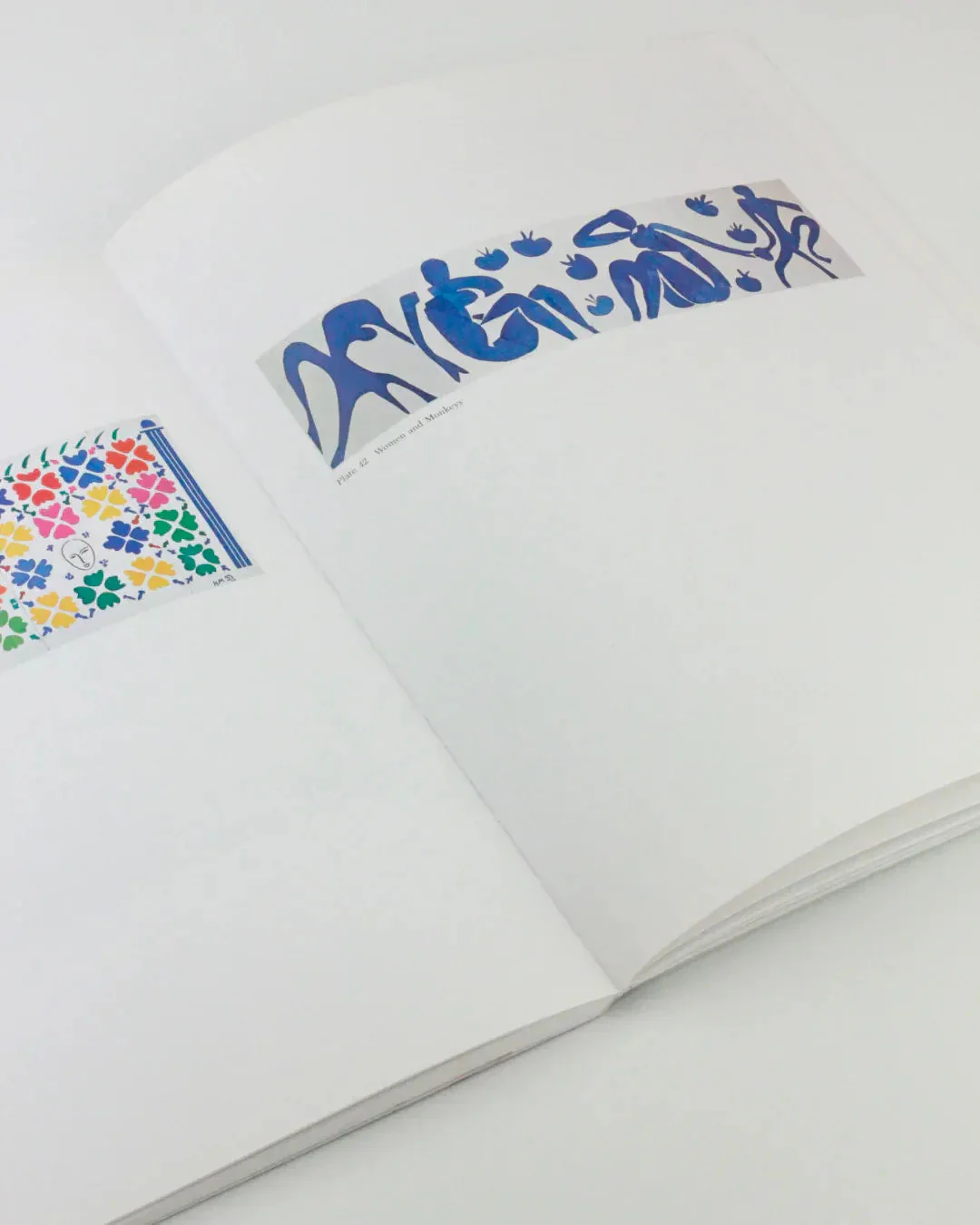
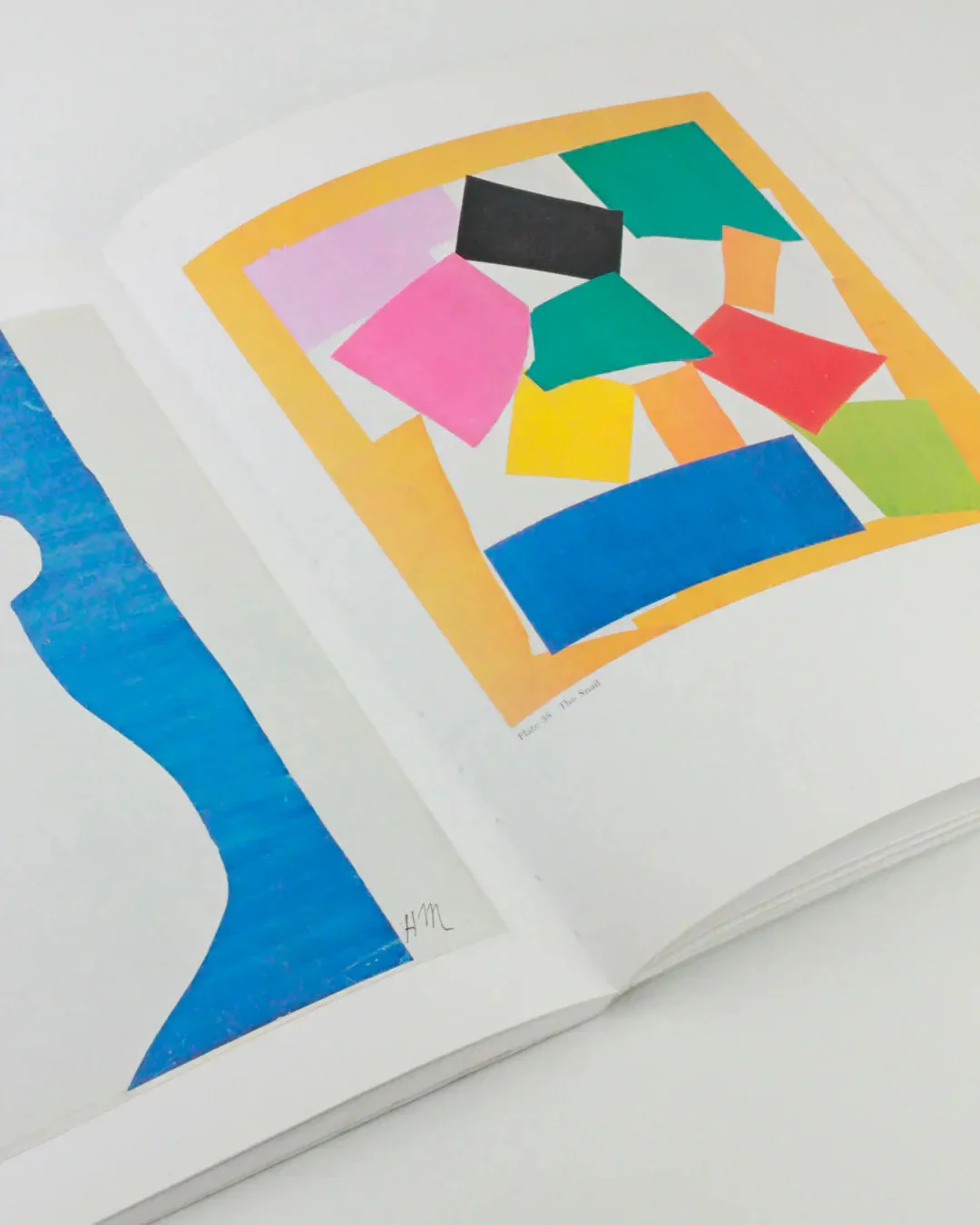
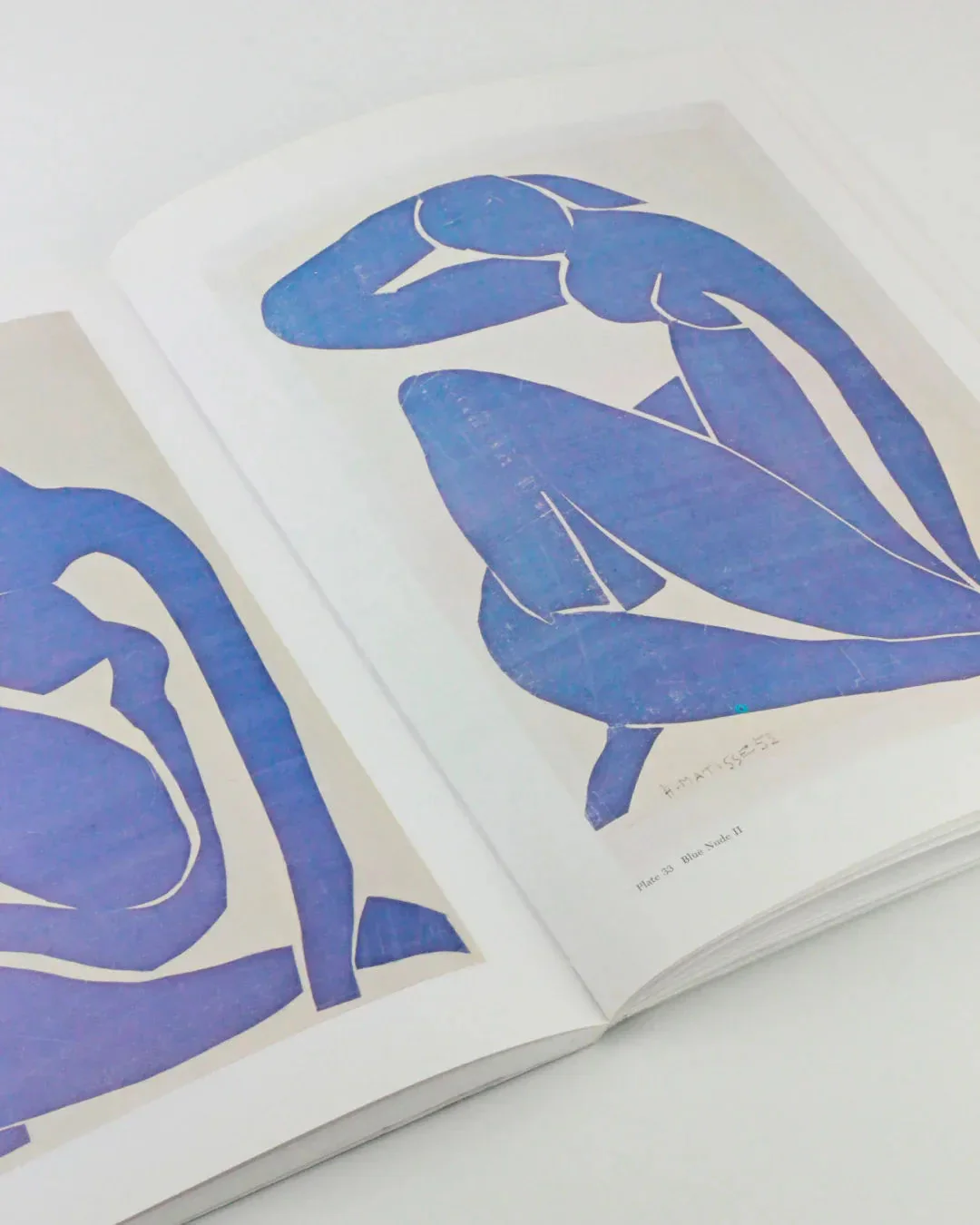
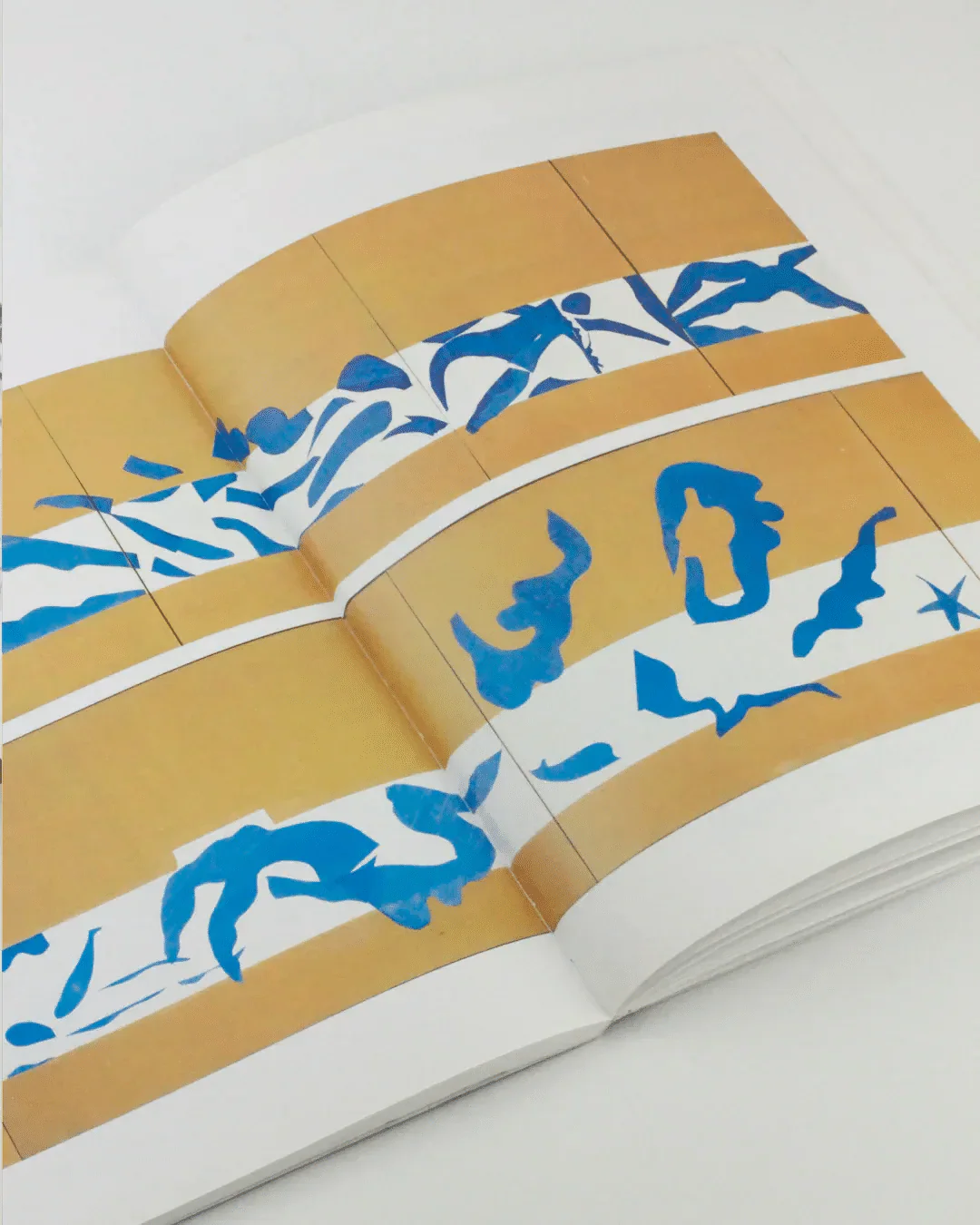
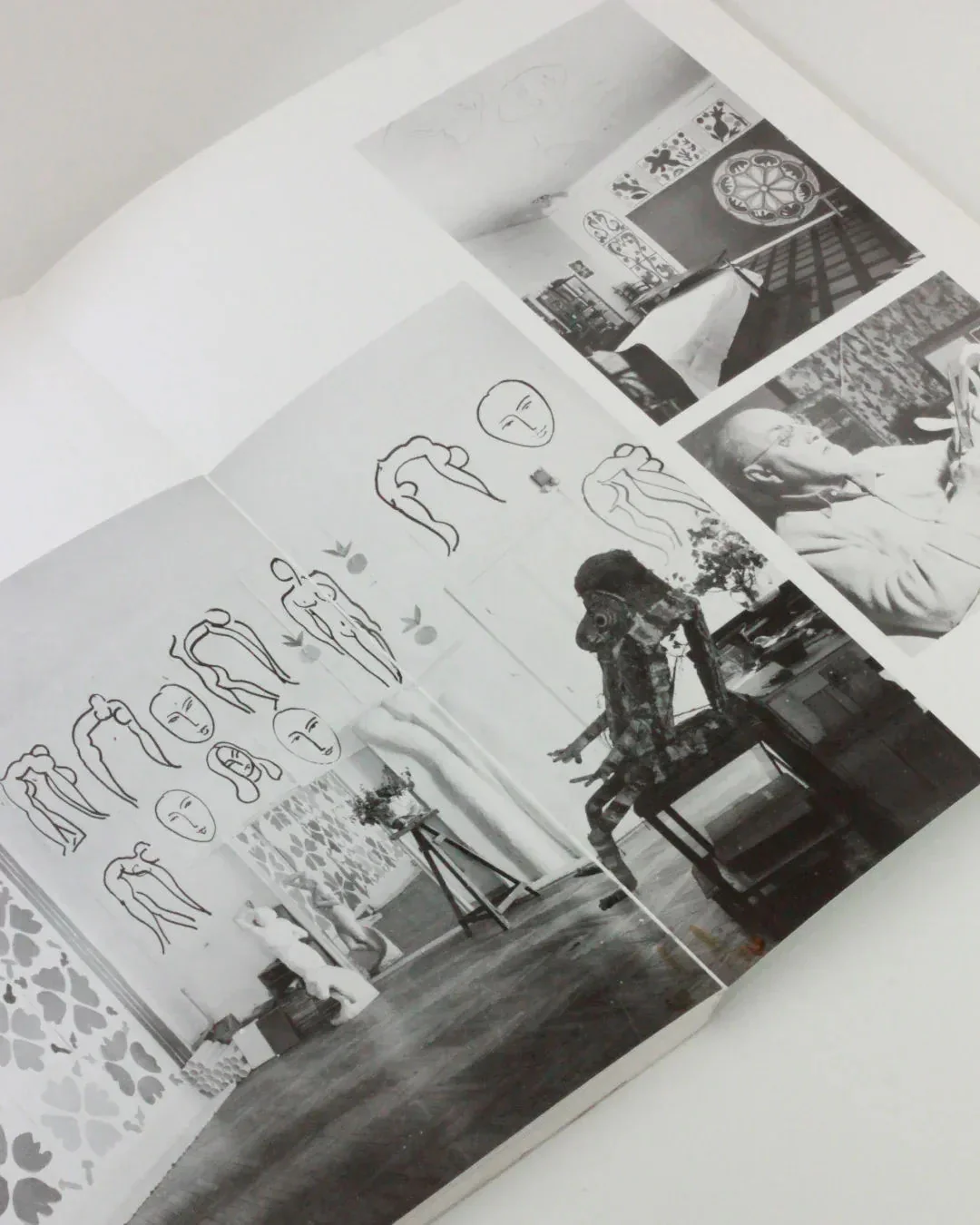
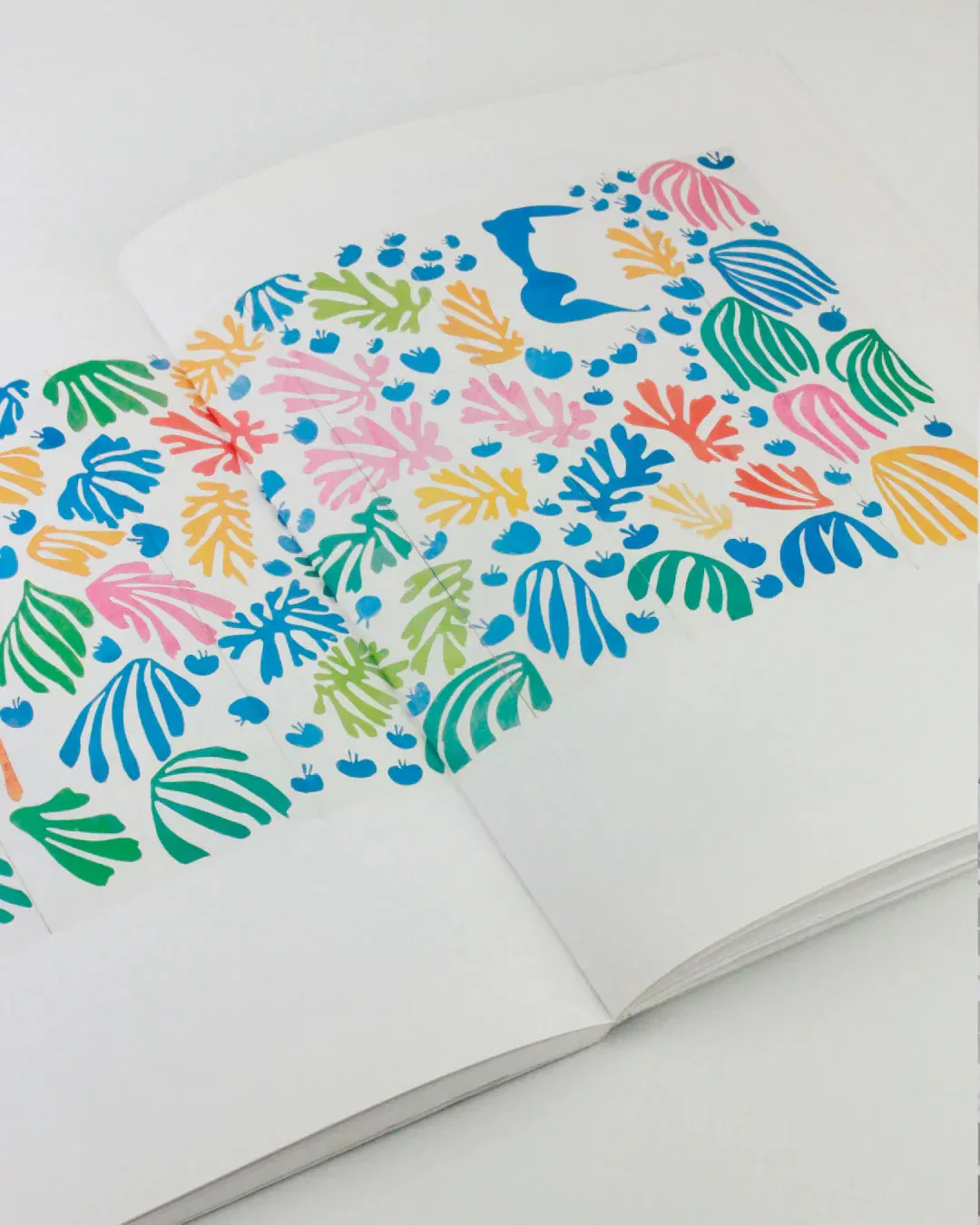
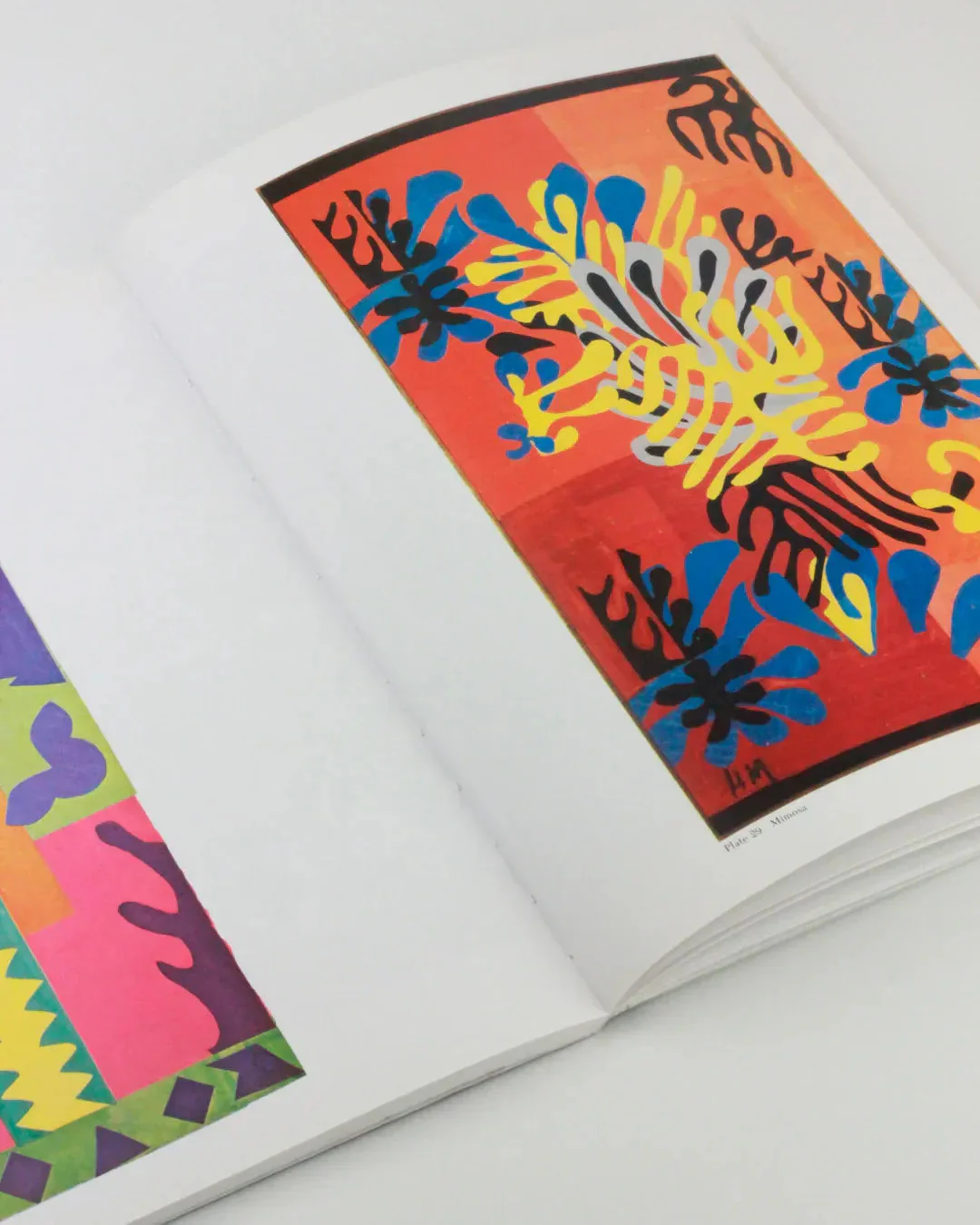
Henri Matisse revolutionized his art in his later years by abandoning painting altogether in favor of papercutting, a medium he had initially used as a technical tool. This change was not surprising, as many great artists develop new styles towards the end of their careers. Matisse found in papercutting a form of expression as spontaneous as drawing, but conceptually closer to sculpture, releasing imagined forms from colored matter. His mature cut-outs, despite their ethereal appearance, were tangible objects that incorporated the physical control of sculpture into pictorial art. Matisse, by cutting color as if sculpting, created works of outstanding quality that tied together the threads of his artistic life in a unique and economical synthesis. Published in 1978.
- Format: Softcover
- Publisher: John Elderfield
- Text: English
- Size: 21,5cm (width) x 28cm (length) x 1cm (height)
Original: $103.87
-70%$103.87
$31.16More Images
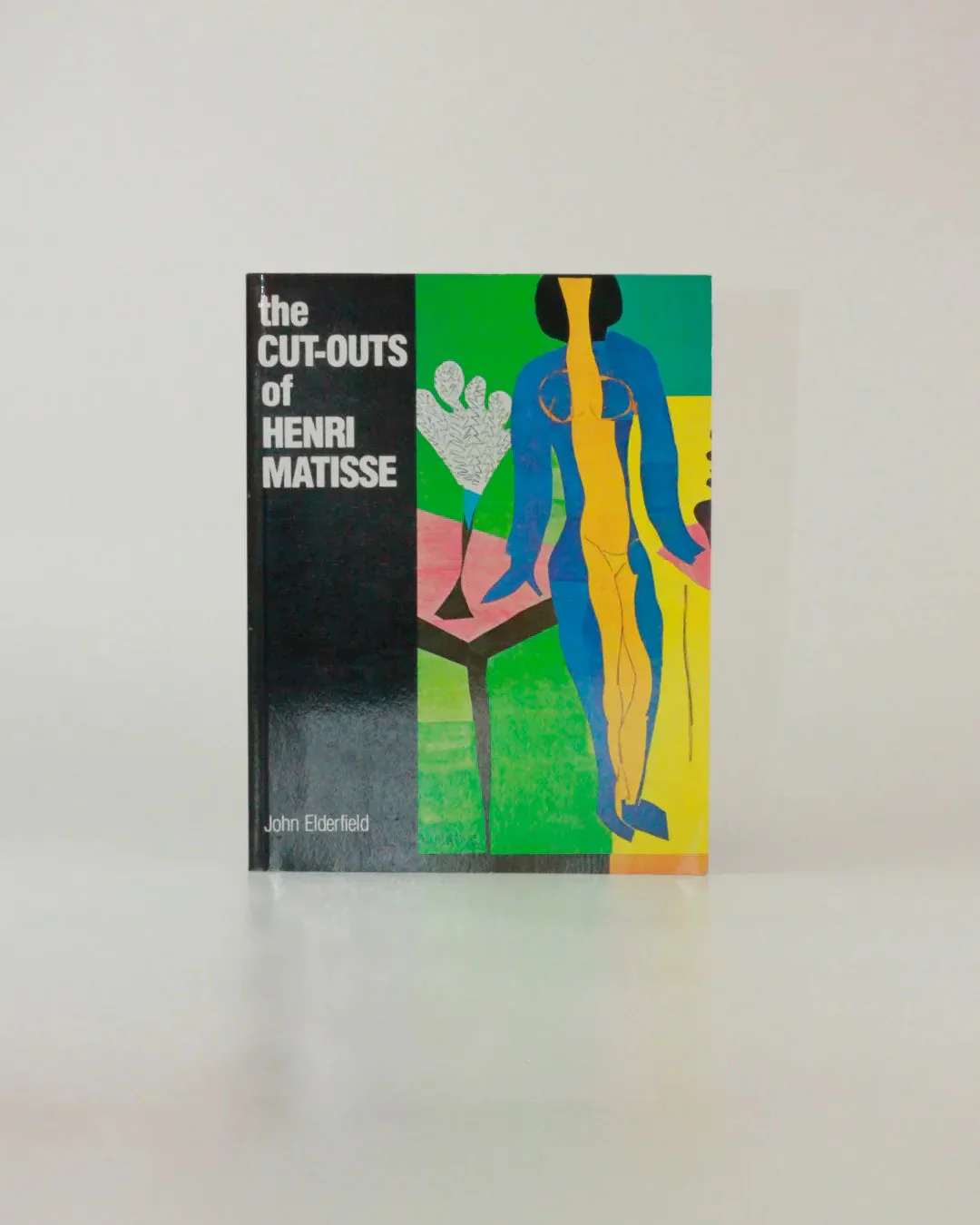
The Cut Outs of: Henri Matisse
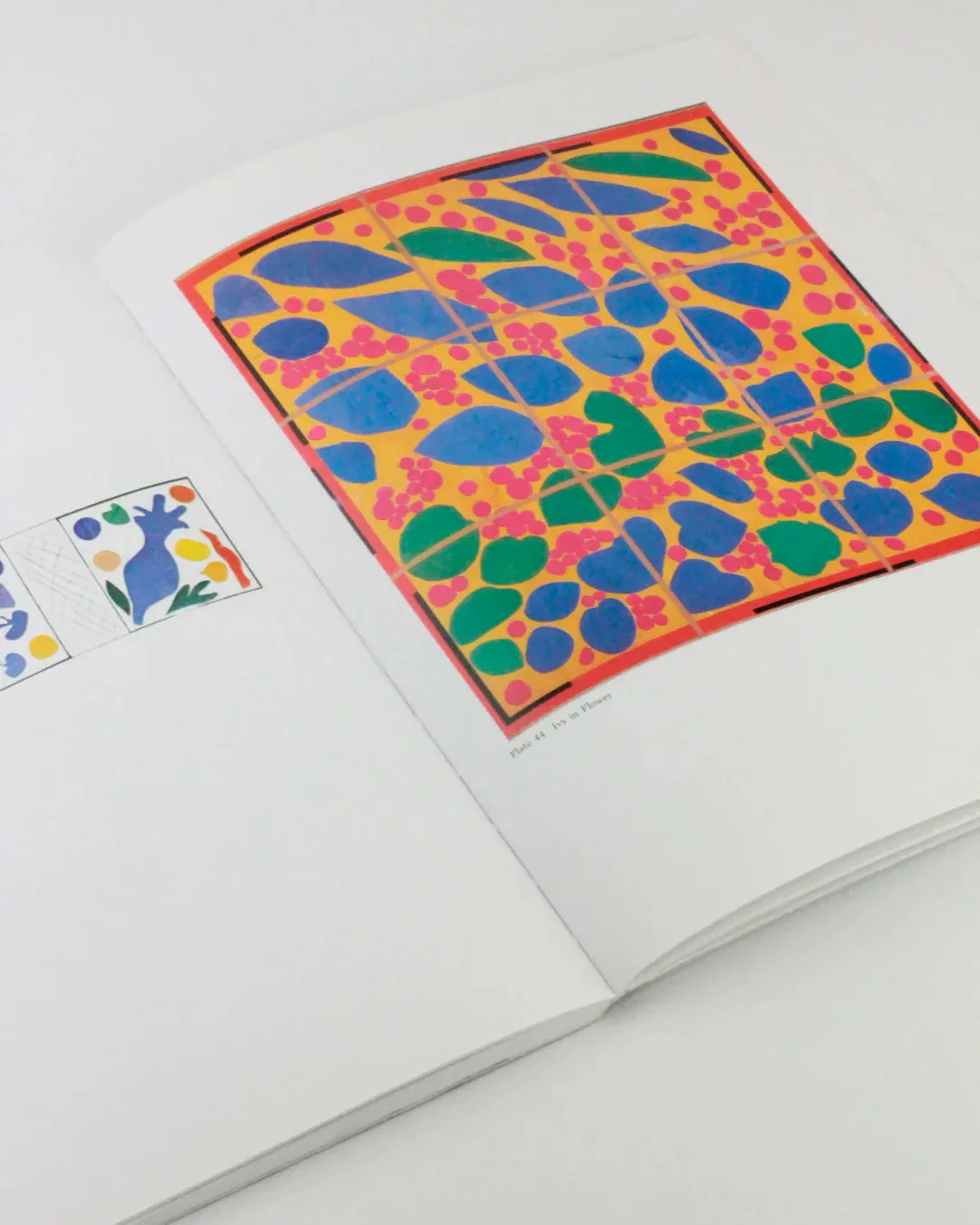
Henri Matisse revolutionized his art in his later years by abandoning painting altogether in favor of papercutting, a medium he had initially used as a technical tool. This change was not surprising, as many great artists develop new styles towards the end of their careers. Matisse found in papercutting a form of expression as spontaneous as drawing, but conceptually closer to sculpture, releasing imagined forms from colored matter. His mature cut-outs, despite their ethereal appearance, were tangible objects that incorporated the physical control of sculpture into pictorial art. Matisse, by cutting color as if sculpting, created works of outstanding quality that tied together the threads of his artistic life in a unique and economical synthesis. Published in 1978.
- Format: Softcover
- Publisher: John Elderfield
- Text: English
- Size: 21,5cm (width) x 28cm (length) x 1cm (height)
Product Information
Product Information
Shipping & Returns
Shipping & Returns
Description
Henri Matisse revolutionized his art in his later years by abandoning painting altogether in favor of papercutting, a medium he had initially used as a technical tool. This change was not surprising, as many great artists develop new styles towards the end of their careers. Matisse found in papercutting a form of expression as spontaneous as drawing, but conceptually closer to sculpture, releasing imagined forms from colored matter. His mature cut-outs, despite their ethereal appearance, were tangible objects that incorporated the physical control of sculpture into pictorial art. Matisse, by cutting color as if sculpting, created works of outstanding quality that tied together the threads of his artistic life in a unique and economical synthesis. Published in 1978.
- Format: Softcover
- Publisher: John Elderfield
- Text: English
- Size: 21,5cm (width) x 28cm (length) x 1cm (height)